A book dealing with piano teaching methods in which the author attempts to give a comprehensive presentation of the main problems of piano playing and teaching is rare nowadays.
This objective has certainly been met by E. M. Timakin, a long time professor at the “Central School of Music” in Moscow and the teacher of Mikhail Pletnev and Ivo Pogorelić.
Following his broad teaching experience and in the tradition of the Russian pianistic school (being a student of K. N. Igumnov), Timakin has brought together knowledge gained over a period of more than 40 years of devoted work in teaching the piano through a systematic approach. In a clear and practical way, this system tackles every problem the teacher might face while teaching.
Timakin is primarily interested in practical aspects and provides helpful hints for a student or a young teacher. This is why he illustrates all his theoretical statements with useful exercises, bringing together in this way theory and practice.
Timakin’s basic guideline was to find exercises that produce concrete results. Therefore, these books do not abound in quotations, but rather in exercises to take the student from the very beginning to the highest level of piano playing.
These Essential Piano Exercises are useful in preparing the students in a practical and imaginative manner for the most difficult pianistic tasks.
The exercises are divided into 3 books, including exercises chosen from the following groups:
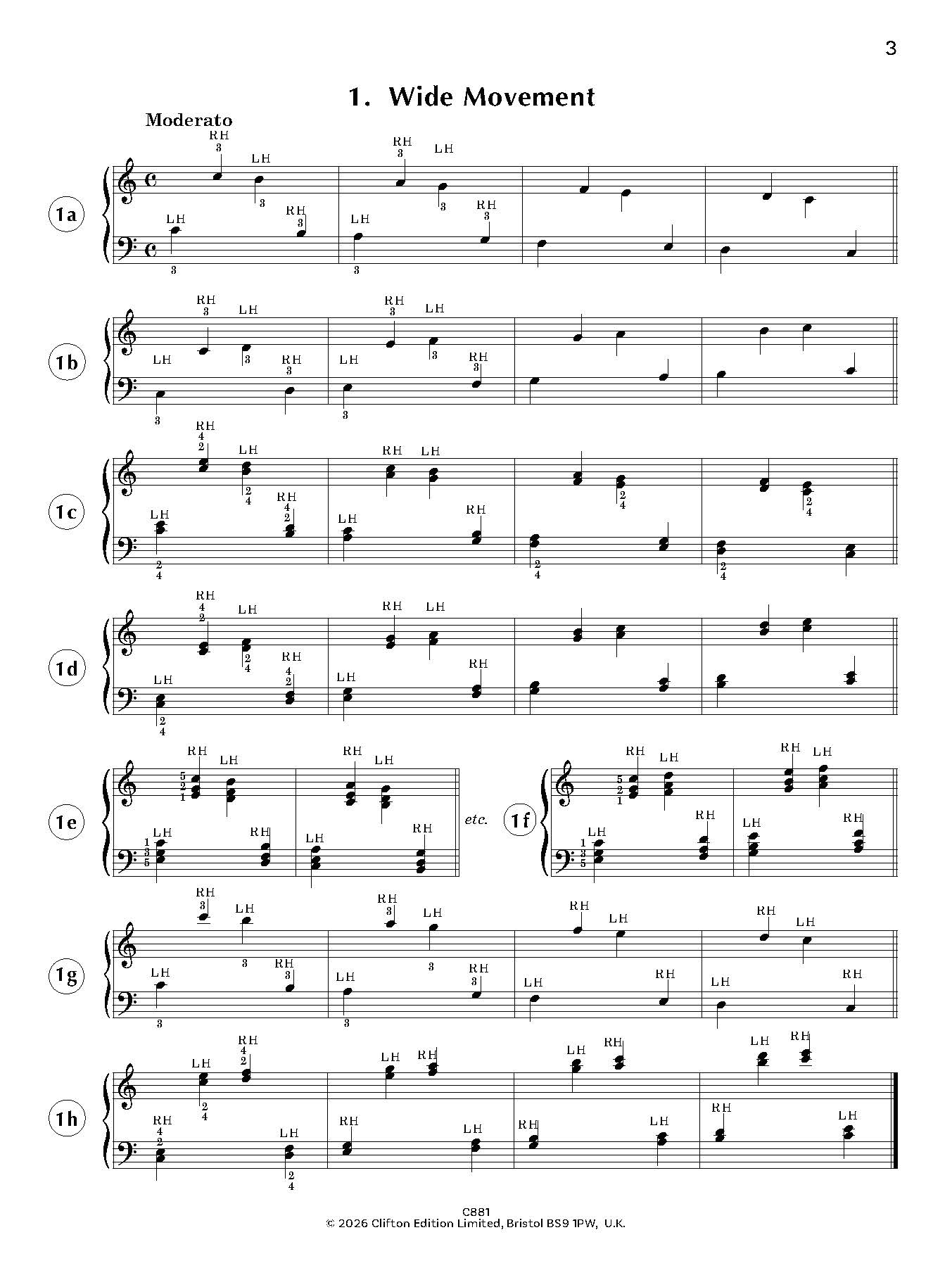
• Wide Movement
• Differentiating Melody from Accompaniment
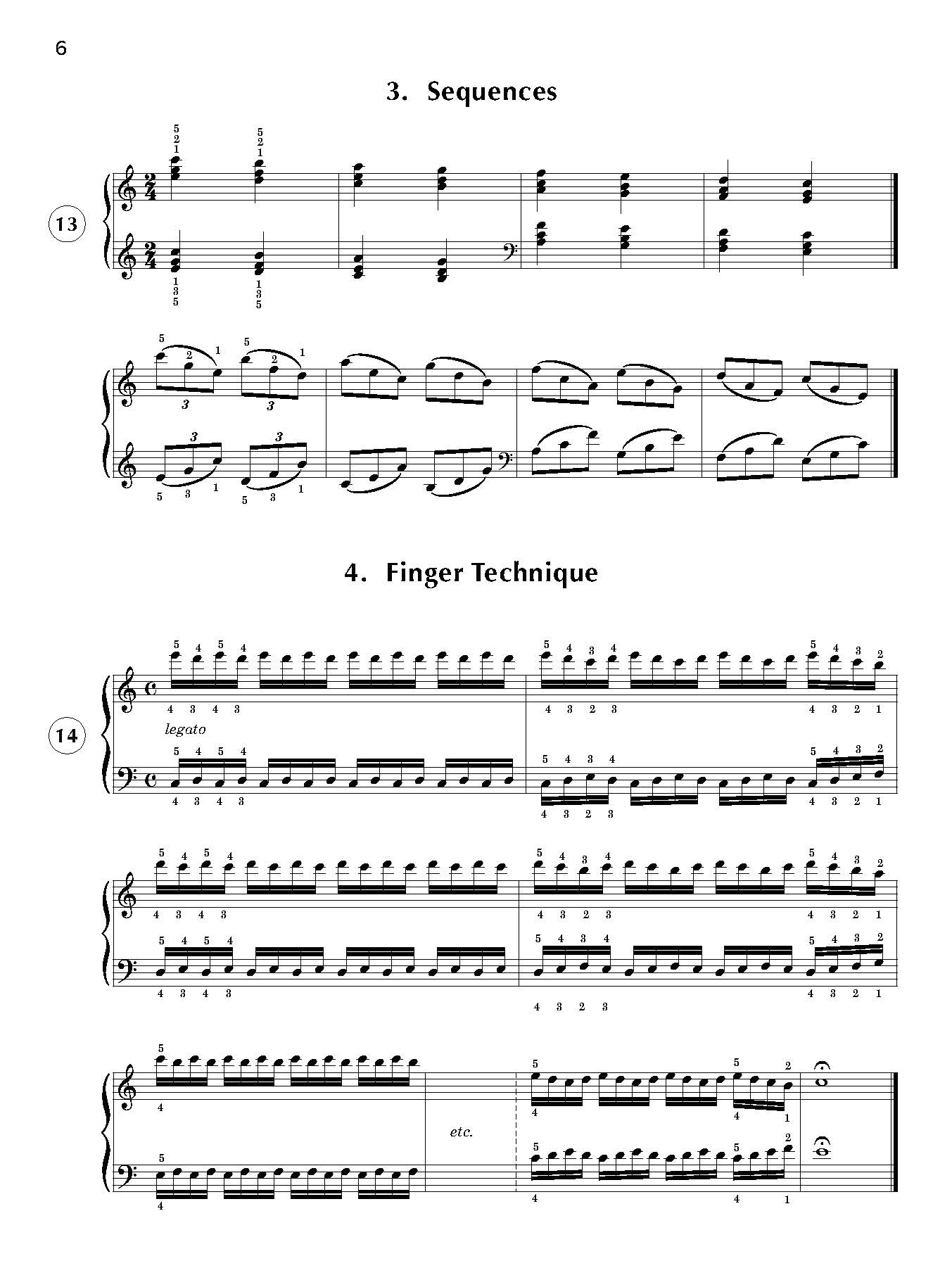
• Sequences
• Finger Technique
• Quick Playing of Scales and Arpeggios
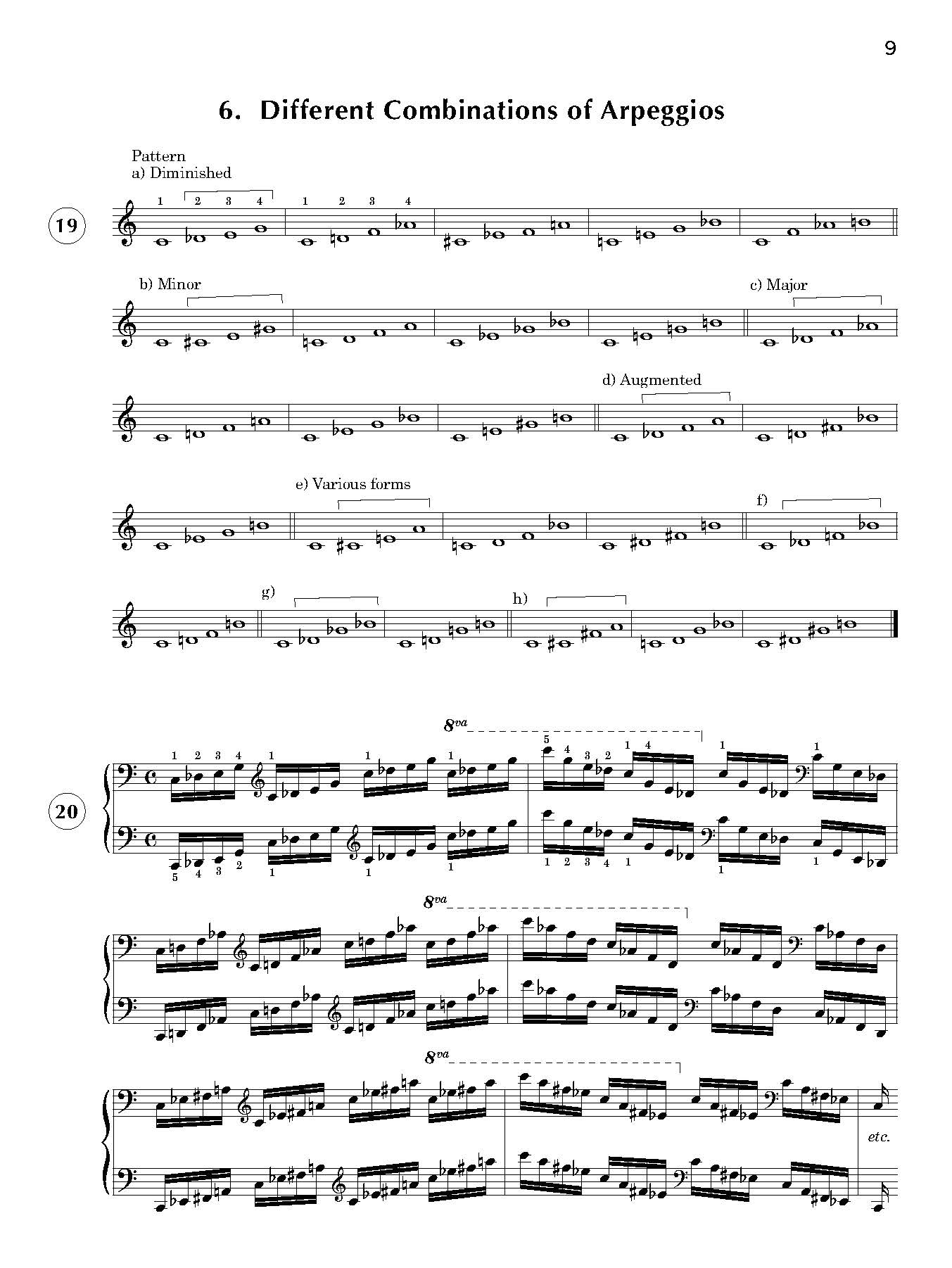
• Different Combinations of Arpeggios
• Leaps
• Independence of Various Textual Elements
• Playing Two Voices with One Hand
• Horizontal Polyrhythmics
• Four-hand Vertical Polyrhythmics
• False Polyrhythmics
• Vertical Polyrhythmics
Each chapter is followed by the author’s explanation of the exercises and their objectives. Sometimes Timakin encourages the teacher and the student to think of similar exercises or to extend the existing ones by transposition and rhythmical variants, showing that the technique of piano playing is achieved not only by mechanical practice but by creative work as well.
A methodical study of Timakin’s Essential Piano Exercises will enable the student gradually to master a whole series of piano skills such as finger technique, the playing of scales and arpeggios, and playing two voices with one hand.
By playing melodies with various patterns of accompaniment and sequences in different patterns, as well as by doing articulation exercises, the student systematically builds from the very beginning not only correct pianistic movements, but also develops their hearing and musical thinking. A great number of exercises deal with coordination, a skill to which Timakin devotes special attention.
This system of exercises reveals Timakin as a great teacher who has continuously sought ways of bringing to life the elementary theory of piano playing in relevant rational exercises, pursuing the problem from the very beginning up to the highest level of piano playing.
Another book to mention at this point is E. M. Timakin’s Teaching Piano. This is an exceptional book that enriches young pianists and teachers with theoretical knowledge and provides them with very useful exercises in developing their pianistic skills.
The results achieved in teaching have proven that Timakin’s approach is highly successful.
Jakša Zlatar
Listen to…
A short excerpt: No. 20
A short extract: Nos. 35-36