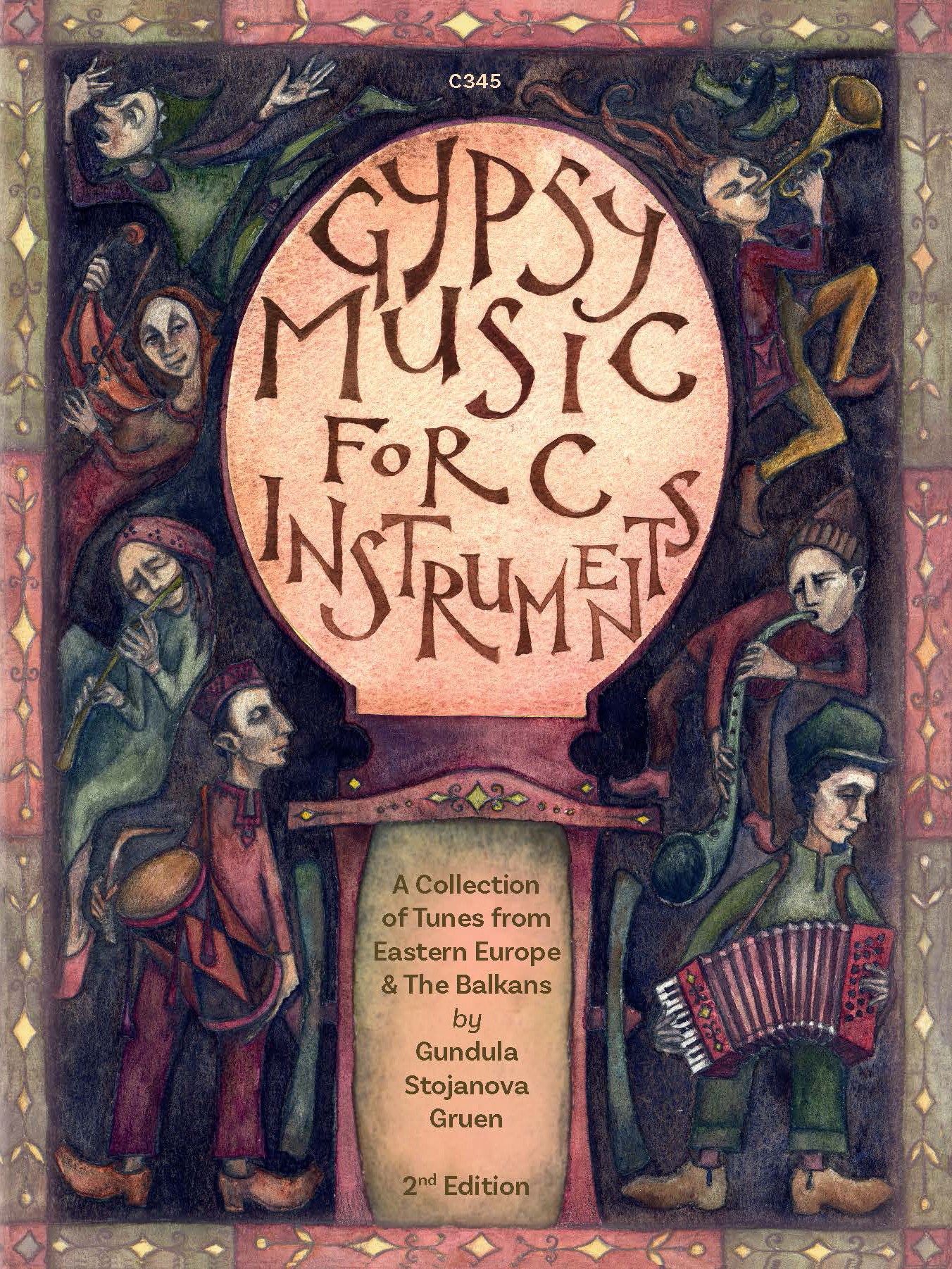
Welcome to the rich world of Eastern European and Balkan music. 64 tunes, organised into the different regions from where I believe they have originated. A word of political correctness: Whilst the term Gypsy music is an ethnomusicology term and politically acceptable, we always refer to people as Romany people or Roma (which is different from Romanian people or from Rome/Roma, the Italian capital city!).
This collection comes with audio files for each piece. The main aim of the recordings is to help you with articulation, phrasing and style. I also hope it will assist you to interpret the ornamentation which sometimes is notated, and at other times will need your creative input. Most of the music is not really suited to learn by reading a sheet, so I hope the audio tracks will help you to bring to life the written dots in this book.
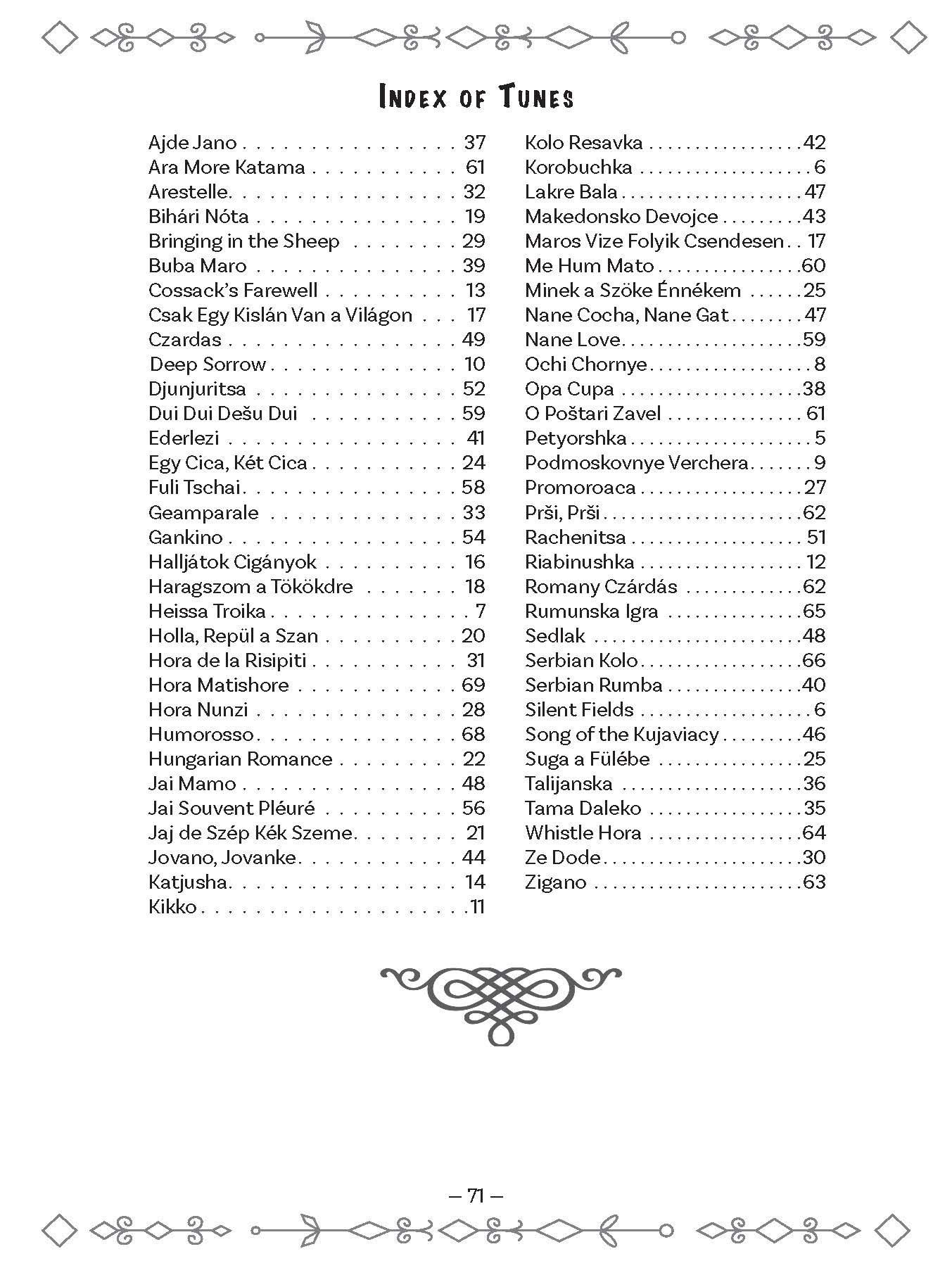
Contents
Russia
- Petyorshka
- Korobuchka
- Silent Fields
- Heissa Troika
- Ochi Chornye 2/4
- Ochi Chornye 3/4
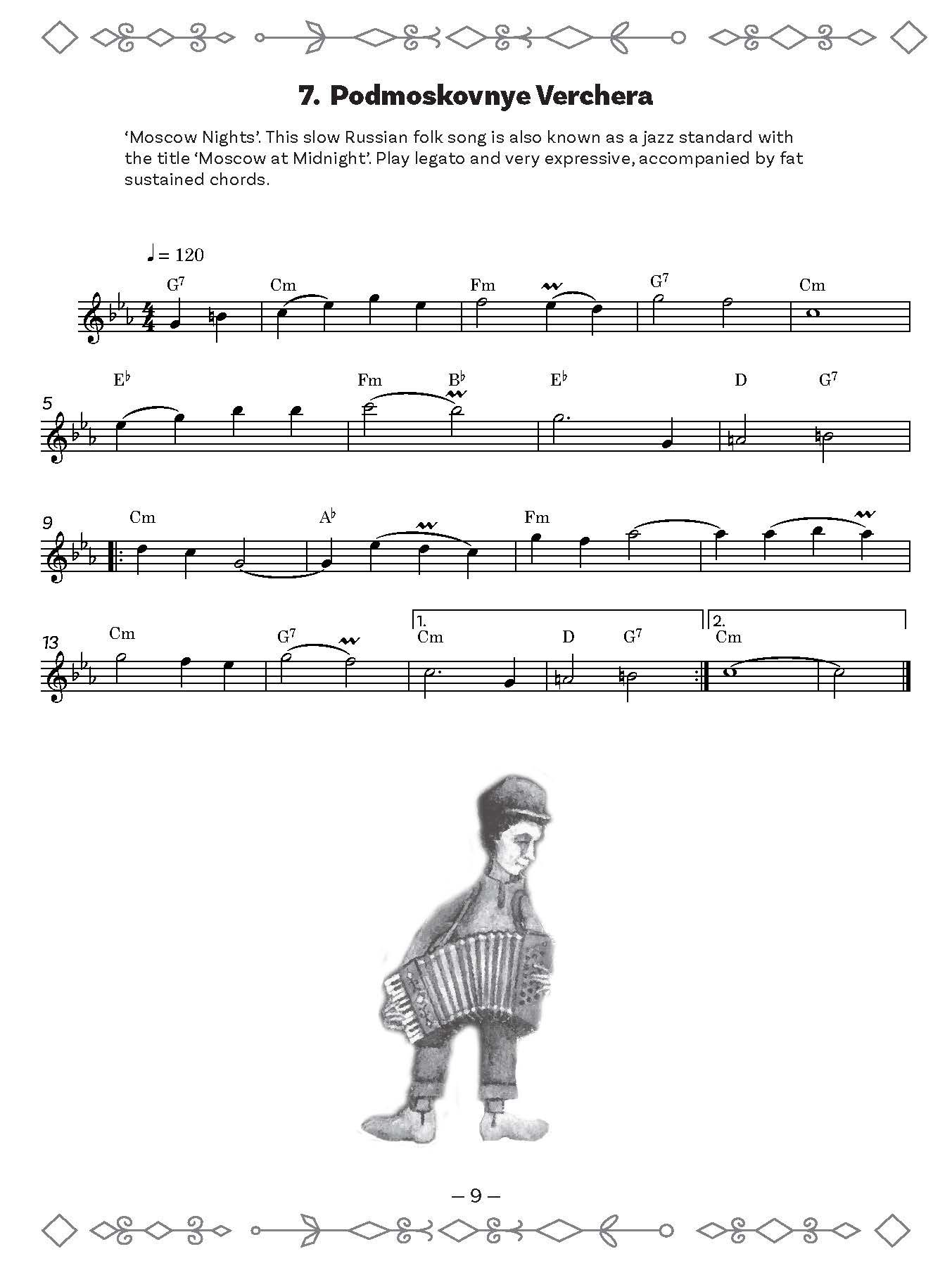
- Podmoskovnye Verchera
- Deep Sorrow
- Kikko
- Riabinushka
- Cossack’s Farewell
- Katjusha
Hungary
- Halljátok Cigányok
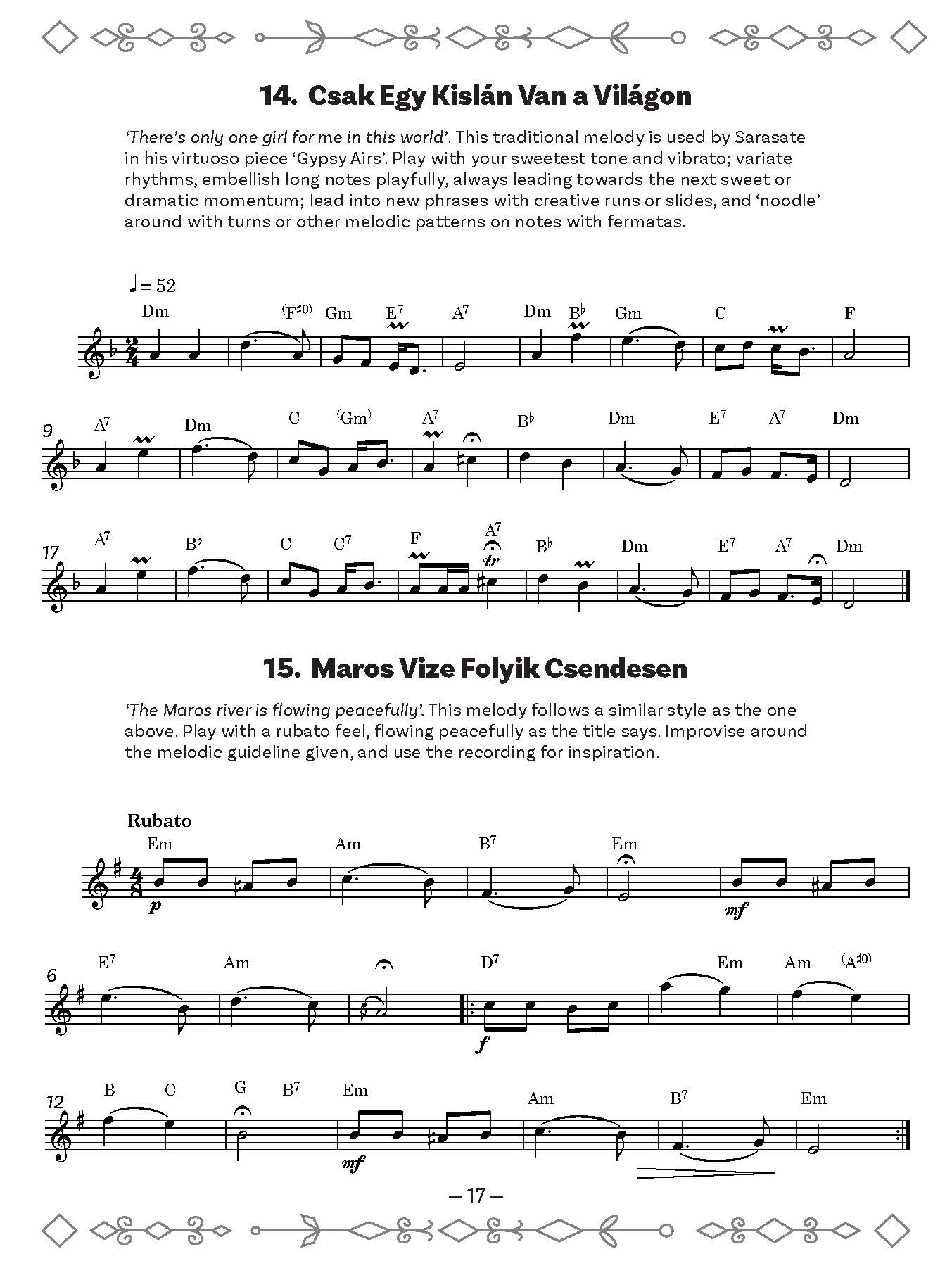
- Csak Egy Kislán Van a Világon
- Maros Vize Folyik Csendesen
- Haragszom a Töködre
- Bihári Nóta
- Hollá, Repül a Szan
- Jaj de Szép Kék Szeme
- Hungarian Romance
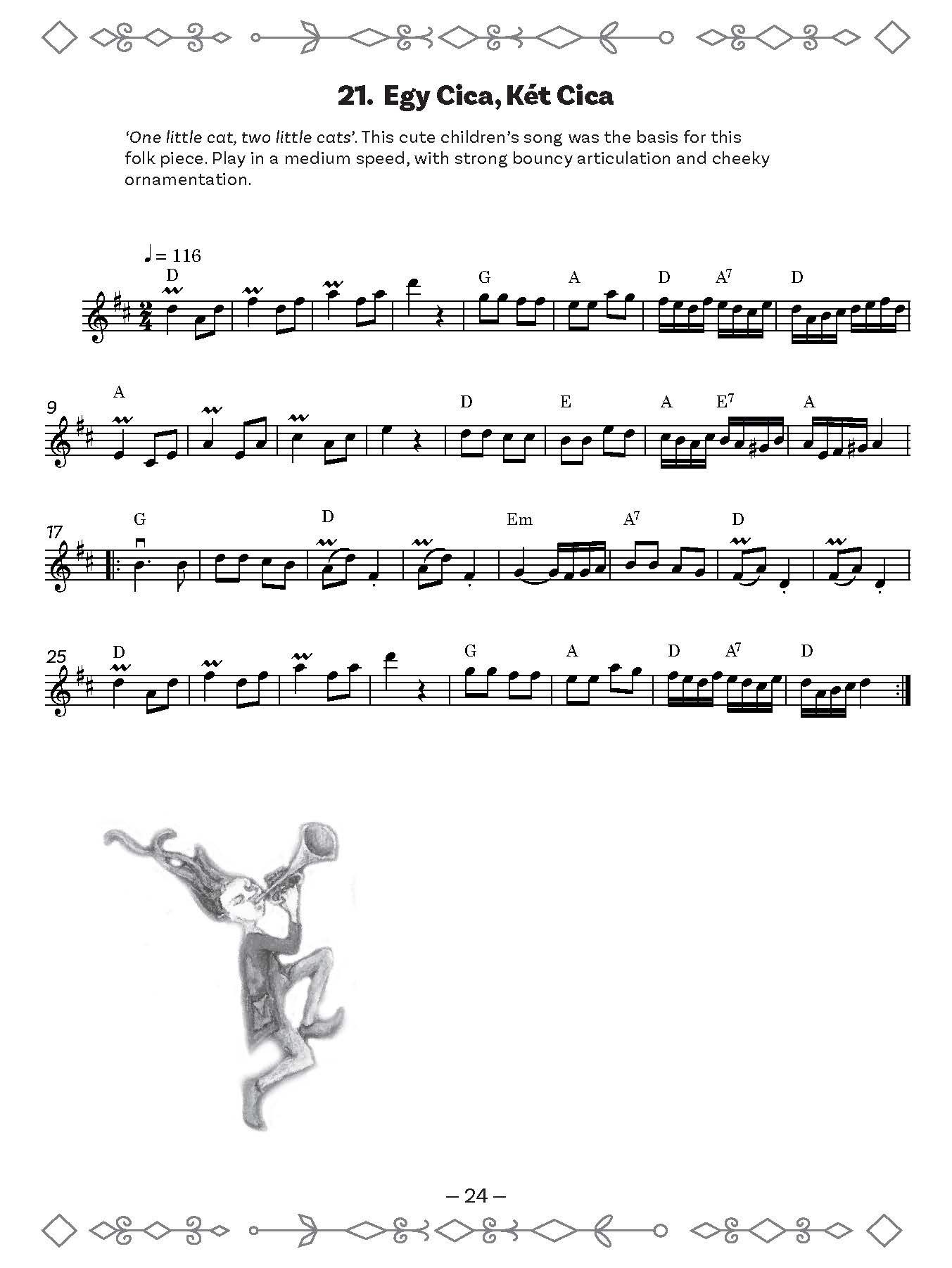
- Egy Cica, Két Cica
- Suga a Fülébe
- Minek a Szöke Énnékem
Romania
- Promoroaca
- Hora Nunzi
- Bringing in the Sheep
- Ze Dode
- Hora de la Risipiti
- Arestelle
- Geamparale
Former Yugoslavia
- Tama Daleko
- Taljanska
- Ajde Jano
- Opa Cupa
- Bubamaro
- Serbian Rumba
- Ederlezi — Đurđevdan
- Kolo Resavka
- Makedonsko Devojce
- Jovano, Jovanke
Poland, Czechia & Slovakia
- Song of the Kujaviacy
- Nane Cocha, Nane Gat
- Lakre Bala
- Jai Mamo
- Sedlak
- Czárdás
Bulgaria
- Rachenitsa
- Djunjuritsa
- Gankino
Romany Tunes
- Jai Souvent Pléuré
- Fuli Tschai
- Nane Love
- Dui Dui Dešu Dui
- Me Hum Mato
- O Poštari Zavel
- Ara More Katama
- Romany Czárdás
- Prši, Prši
- Zigano
Virtuoso Gypsy Pieces
- Whistle Hora
- Rumunska Igra
- Serbian Kolo
- Humorosso
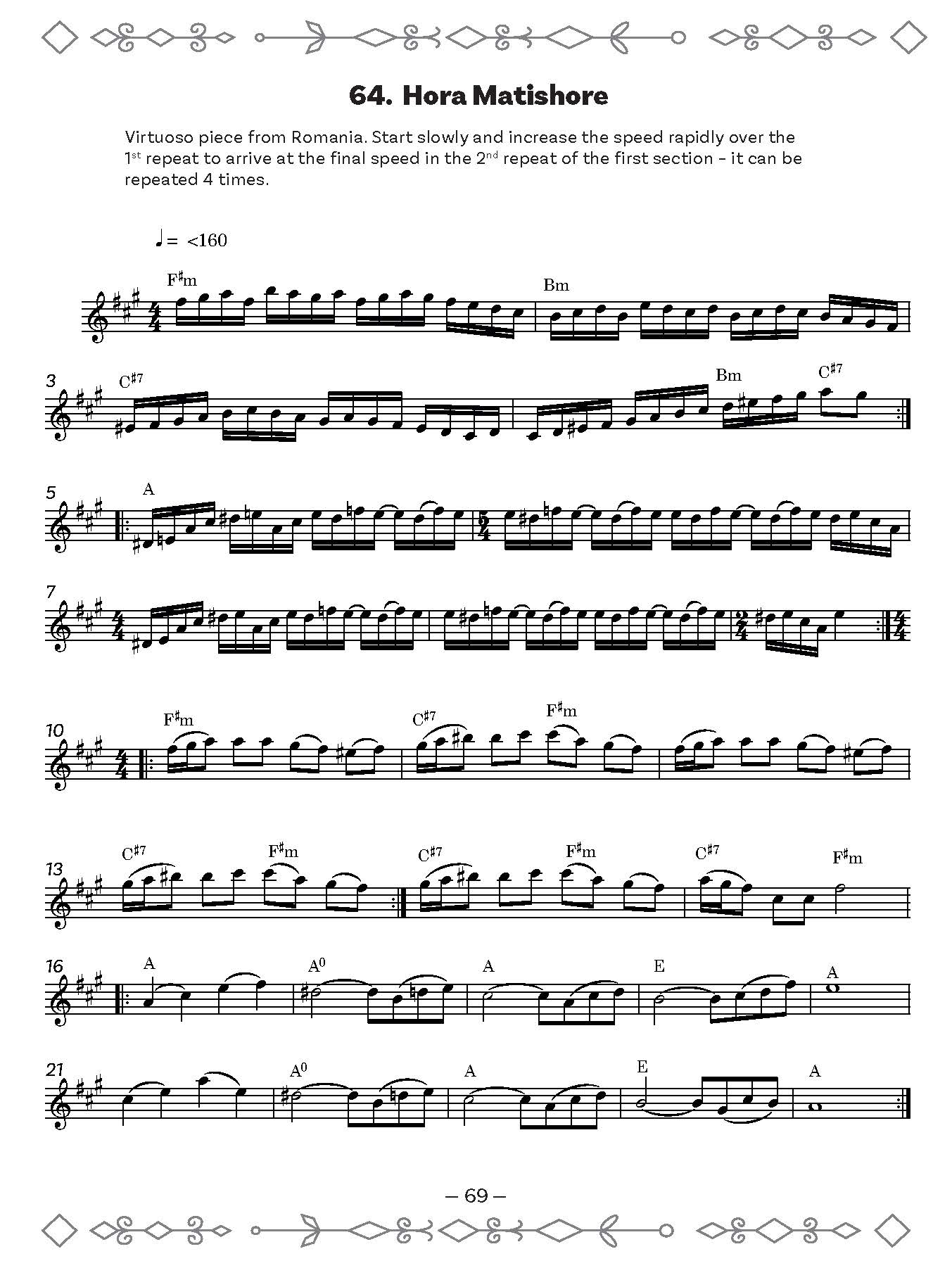
- Hora Matishore
Downloads
Download free audio tracksSample Pages